Could you introduce yourself? Who are you, what’s your background, and what do you enjoy doing most in your free time?
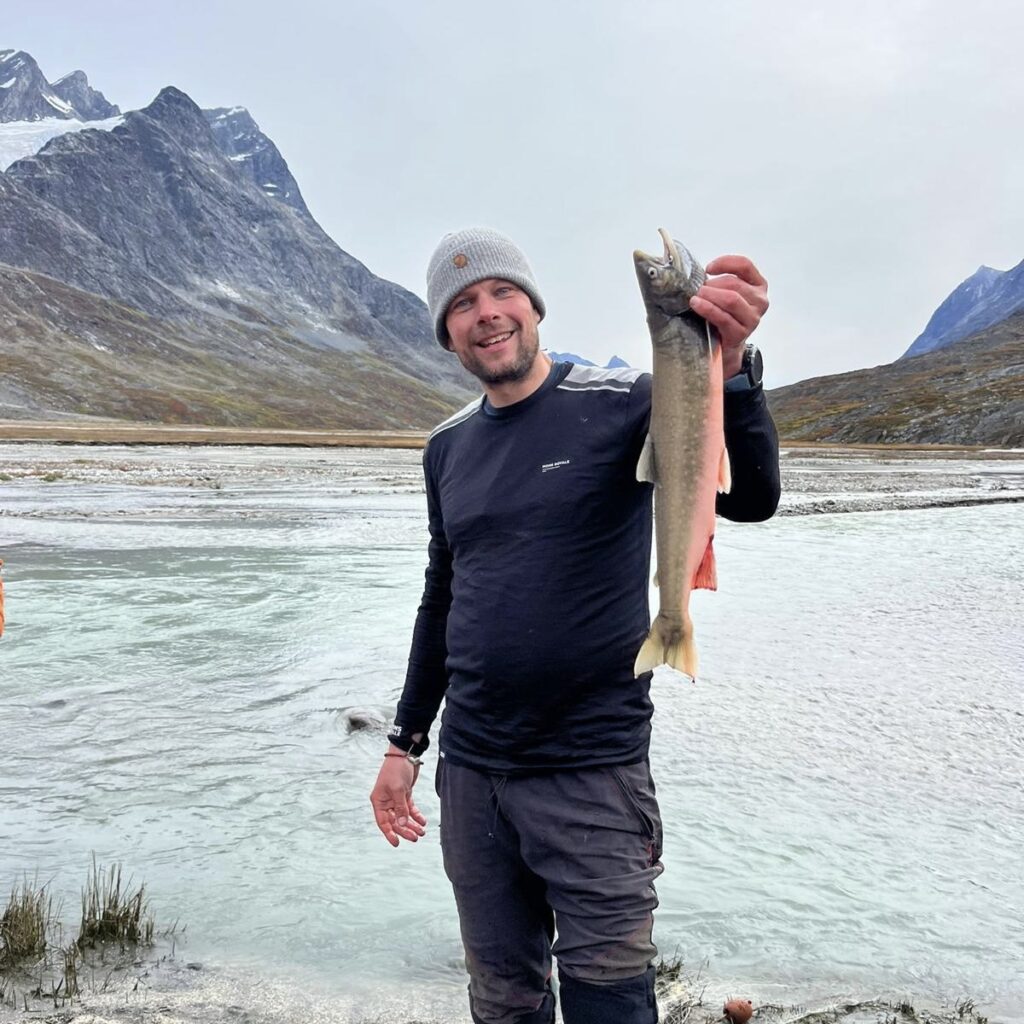
My name is Joost ten Brinke; I’m a father of three and married to Floor van der Hilst. I work as a trauma surgeon at the Gelre Hospitals and at Isala. In addition, I’ll be starting as a reservist in May, so that I can also contribute to global safety as a trauma surgeon. Outside of work, I enjoy being outdoors and staying active. Adventure, sports, and nature have played a major role in my life since I was a child.
How did you get into trauma care and expedition medicine?
About fifteen years ago, I co-founded Outdoor Medicine with Michiel van Veelen. Later, Maybritt Kuijpers, Wouter Jetten, and Anne Brants joined us. We were all looking for a way to combine our passion for adventure and outdoor sports with our medical careers. In my case, it started with mountaineering, which I initially combined with tropical medicine and later with my work as a surgeon. That’s how my interest in medicine under extreme conditions naturally grew.
What advice would you give to young doctors or residents interested in expedition medicine?
Expedition medicine is a wonderful addition to our profession. It requires specialised knowledge to work in extreme conditions, such as underwater, in space, or in extremely cold or hot environments. At the same time, it often involves treating minor ailments in unique places on Earth. I am no longer a board member of Outdoor Medicine. The foundation is now led by a young, enthusiastic group. I personally go on or organise an expedition about once every two years: to keep learning, challenge myself physically, and do so with a great group of colleagues. My advice: stay curious, actively seek out opportunities, and invest in both your medical and practical skills.
How did the idea of going on an expedition to Greenland come about, and how did you go about it?
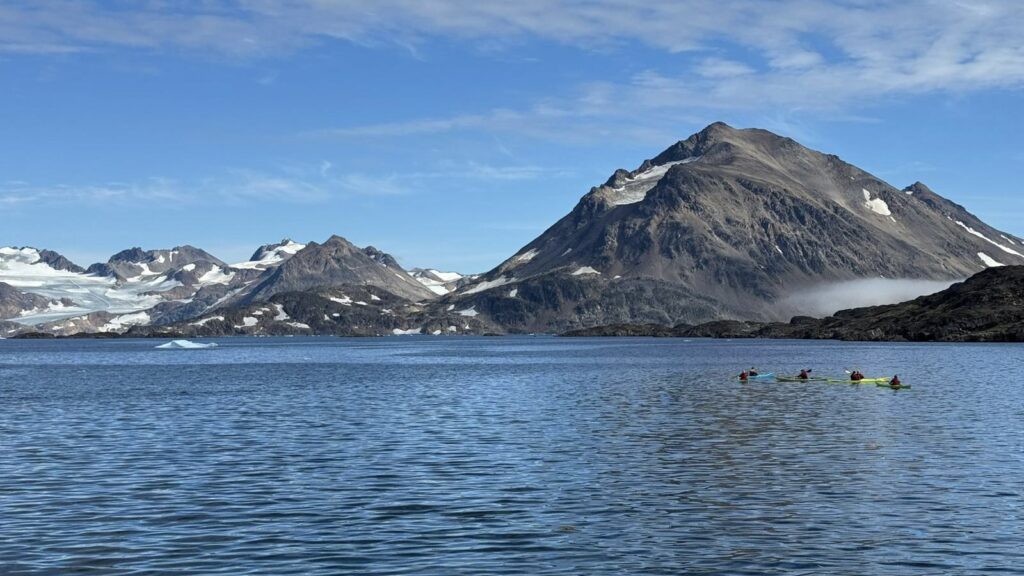
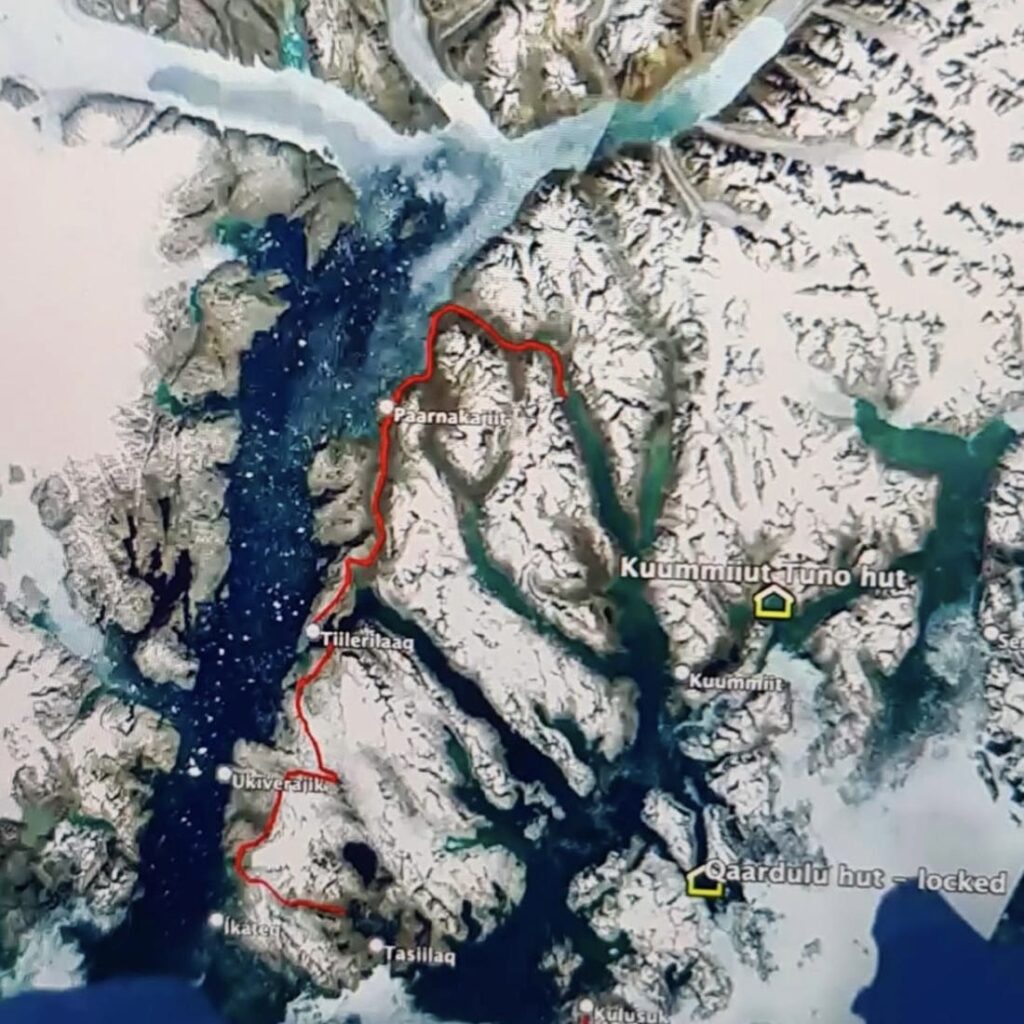
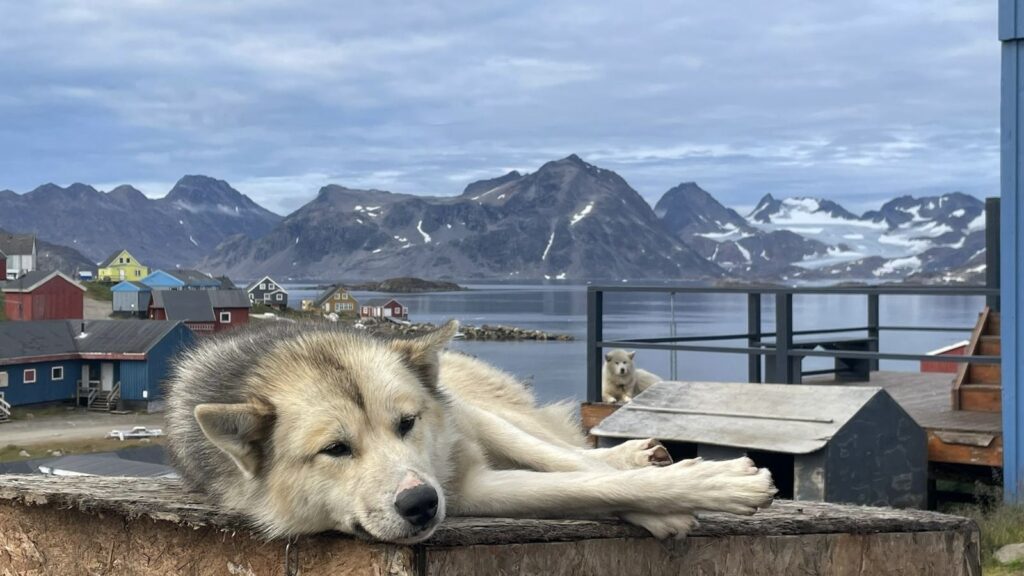
Greenland is a beautiful country that remains relatively unexplored. The idea appealed to us because of its ruggedness and vast natural landscapes. In the end, I didn’t organise this expedition myself. We set out to find qualified guidance and training. We worked with Naomi Dodds, an anesthesiologist based in Scotland and an expert in hypothermia, and with Mat Howes, a former military officer with extensive experience leading expeditions worldwide.
What were the biggest (medical) challenges during the expedition?
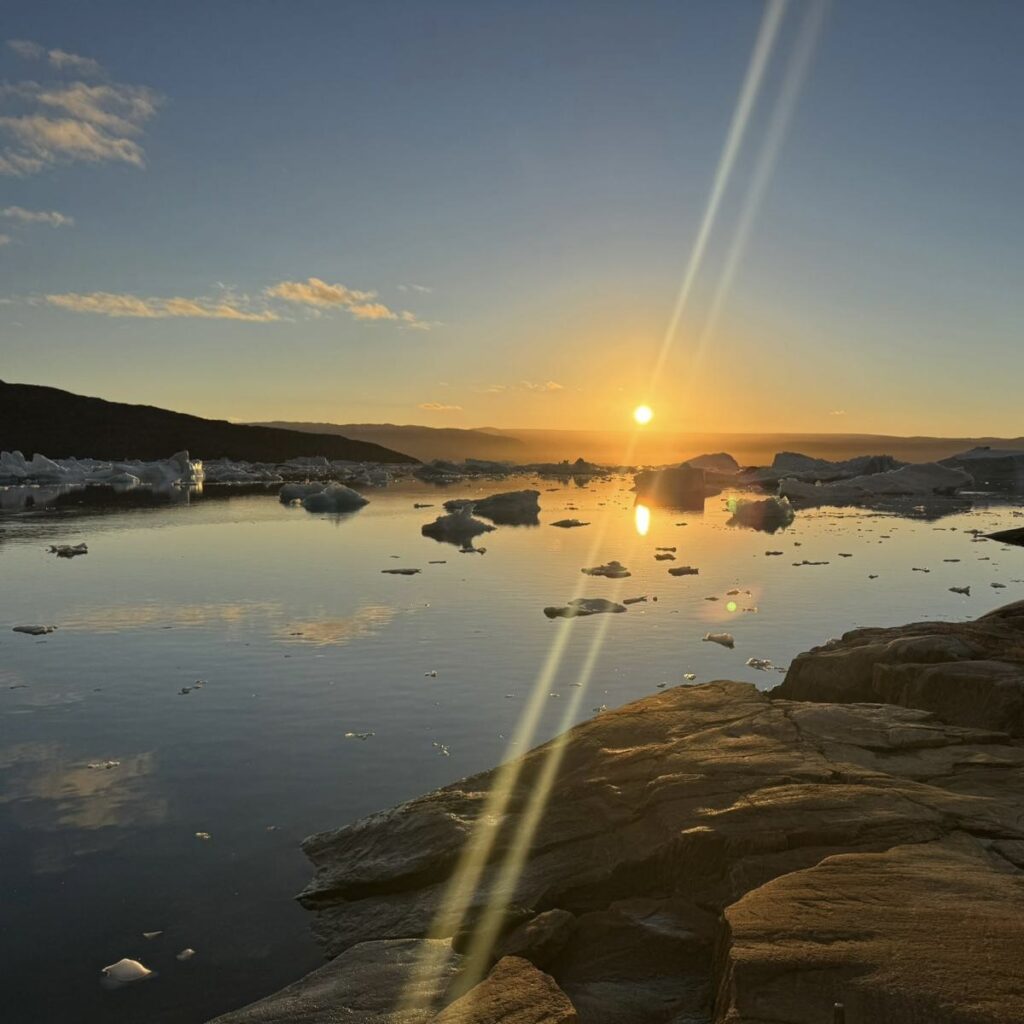
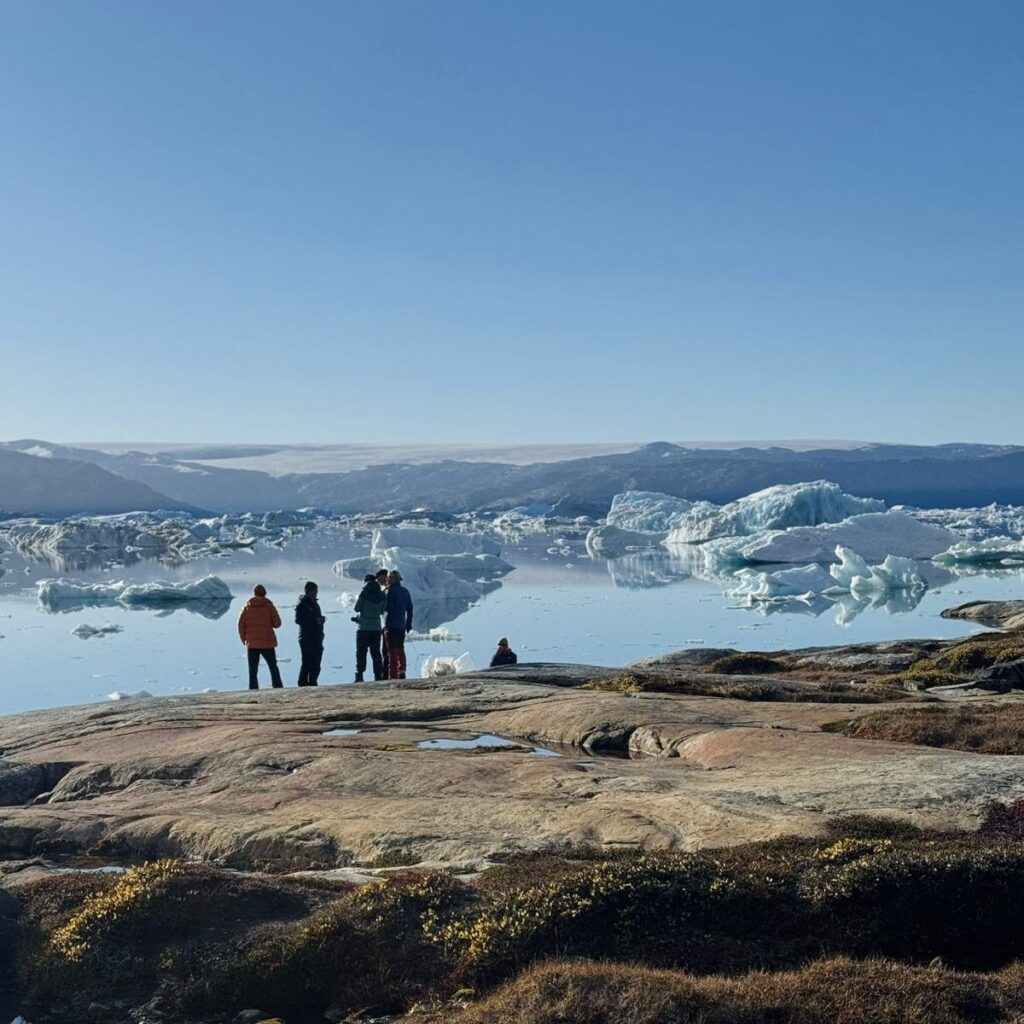
The biggest challenge was that we were completely on our own. Evacuation was practically impossible, and help could be days away. This meant that as a doctor, you have to constantly think ahead. The cold played a major role. Hypothermia was a constant threat, especially when combined with fatigue and wet clothing. Even minor injuries, such as blisters or scrapes, could have serious consequences.
What risks and dangers are typical for this type of expedition?
On an expedition in Greenland, you have to deal with extreme cold, unpredictable weather, isolation, and limited accessibility. In addition, there are risks such as slipping on ice or rocks, exhaustion, dehydration, and, in theory, wildlife, such as polar bears. Minor problems can quickly pile up into major complications.
As a doctor, what are you most alert to during such an expedition?
During an expedition, your main focus is on prevention. In the field, you have to intervene early, often based on limited information. When in doubt, it usually means: act sooner rather than later. In addition, medical decisions affect the entire group. You’re not just a doctor, but also a member of a team.
What medical equipment did you bring with you?
We worked with personal basic kits and central medical supplies, always balancing weight, reliability, and functionality. Everything was designed for self-reliance, durability, and multifunctional use.
If you could only bring three medical items, what would you choose?
1. Garmin inReach (for communication and emergency calls)
2. Quality wound care supplies
3. Broad-spectrum antibiotics
Together, these three cover a large portion of the most likely problems in such an environment.
How do you look back on this expedition?
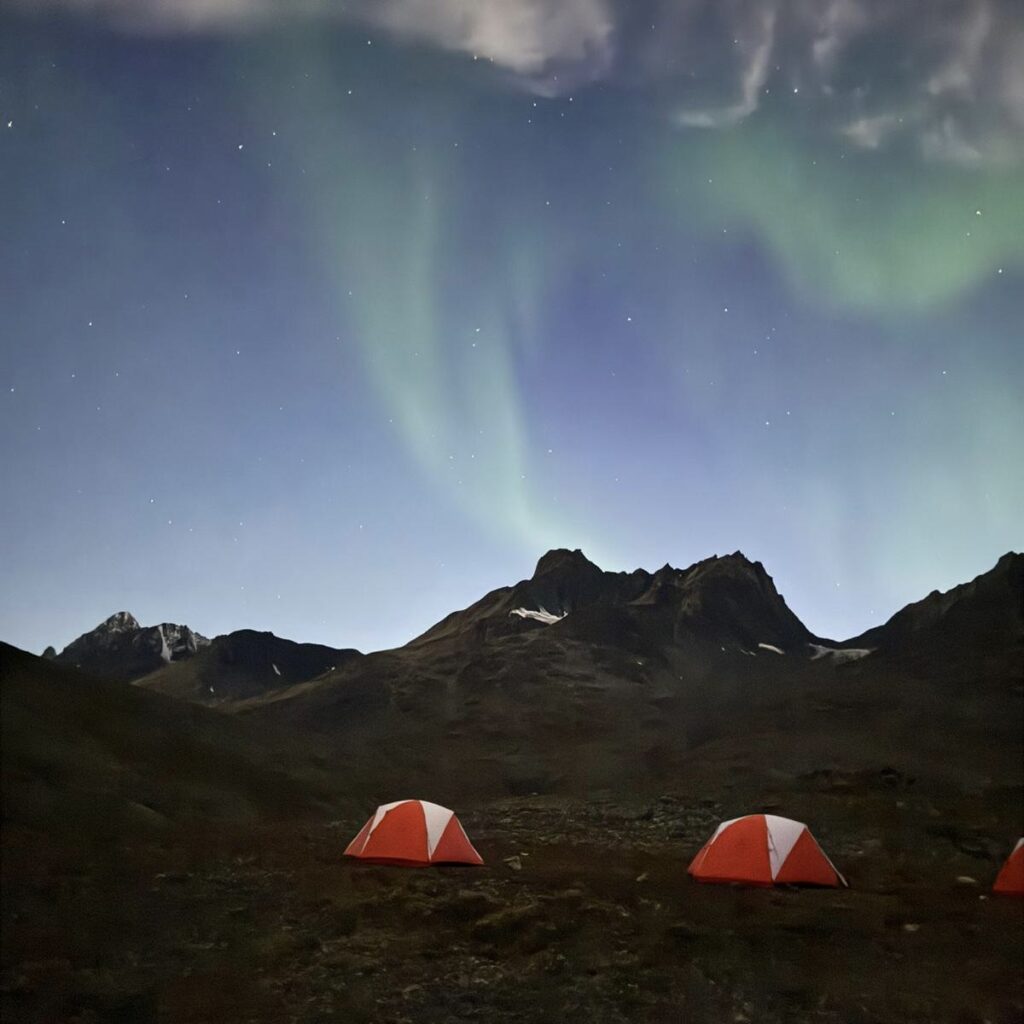
With great satisfaction. It was a really great group, and we didn’t have any medical incidents. The hours spent alone at night, with spectacular northern lights on some nights, were special and have stayed with me.
What do you take away from an expedition like this in your work as a trauma surgeon?
It sharpens your clinical eye, in part through the field exercises. Plus, for ten days, you haven’t had contact with anyone outside your group. That puts things back into perspective. You get the space to reflect on what’s important to you in life and to discuss it with like-minded people. And of course, it gives you the energy to plan a new adventure, full of new professional and physical challenges, in a beautiful location.
What advice would you give to people who think, “That sounds like something I’d like to do”?
Go for it, but do it carefully. At Outdoor Medicine, we offer a wonderful range of courses (see the bottom of this page for our current course offerings!), where thorough preparation is the key to success. Gain experience, seek good guidance, and don’t underestimate it.
What are your plans for the future?
This year, military training is the focus. In 2027, I’d like to lead a medical expedition to Puncak Jaya, also known as the Carstensz Pyramid. This mountain is 4,884 meters high, the highest peak in Oceania, and is part of the so-called Seven Summits. In 2028, I hope to spend a few months in South Africa again with my family for training in the care of seriously injured trauma victims.
Inspired by this story and curious about the opportunities for your own professional development?
Check out our courses here.